Education
From a UBC engineering degree to three degrees at Harvard: MBA, MA, and PhD in Economics.
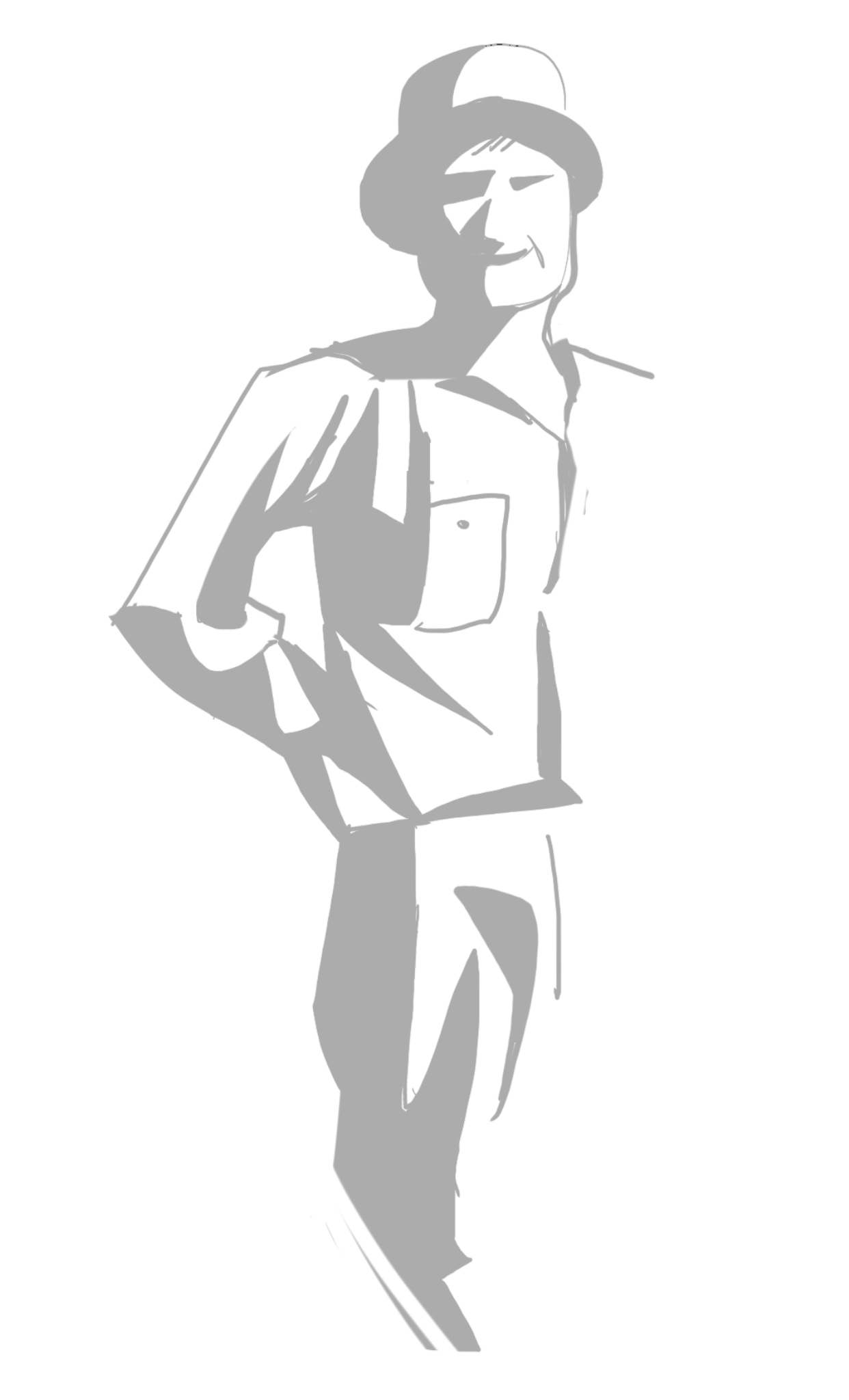
Ralph's education carried him from the surveyor schools of UBC to the theoretical lecture halls of Harvard. Along the way, he worked as a tree faller and electrical lineman, sold industrial gases to manufacturing companies in Ontario, and learned hard-rock drilling in a tunnel beneath Stockholm. It was an unlikely path to three Harvard degrees.
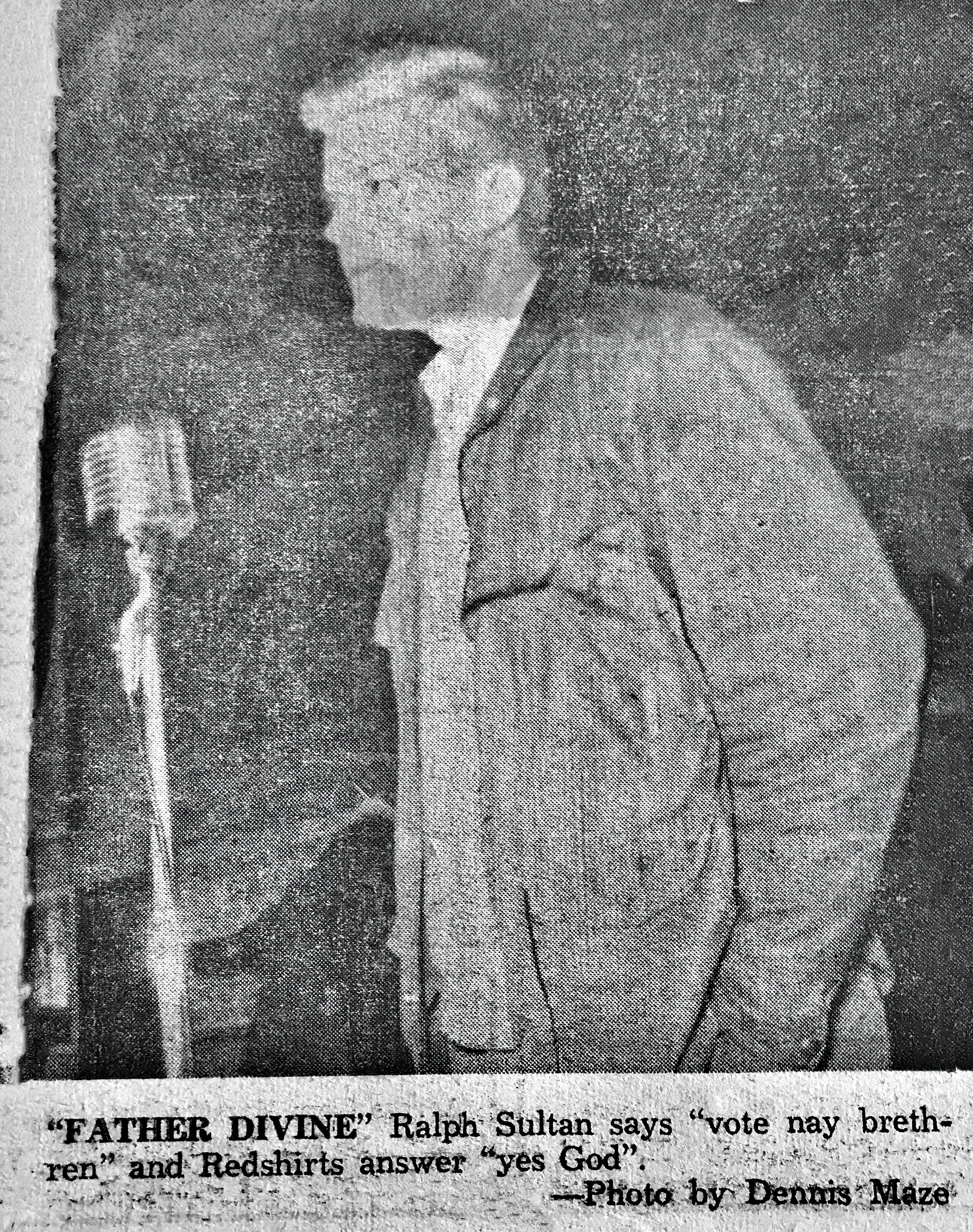
Engineering students elected Ralph to be UBC's Father Divine -- Ubyssey newspaper 1955
University of British Columbia (1951–1956)
Ralph enrolled at UBC in 1951 and graduated in 1956 with a Bachelor of Applied Science in Mechanical Engineering. He won the Cayley Prize in English and an Engineering Institute of Canada prize for his report on the Kitimat-Kemano high-voltage transmission line.
He was elected President of the rabble-rousing Engineering Undergraduate Society. Between studies he worked as a soil technician, assuring the integrity of construction projects of the provincial utility: the BC Electric Company.
Between Degrees
After graduating from UBC, Ralph worked as a technical sales representative for Union Carbide Corporation of New York, where his projects included the Avro Arrow and the Rolls-Royce Dart turboprop engine. He later trained as a machine shop apprentice at Atlas Copco, rebuilding compressed-air rock drills and testing them in a granite tunnel beneath the company's head office in Stockholm. It was the beginning of a lifelong connection to Sweden.
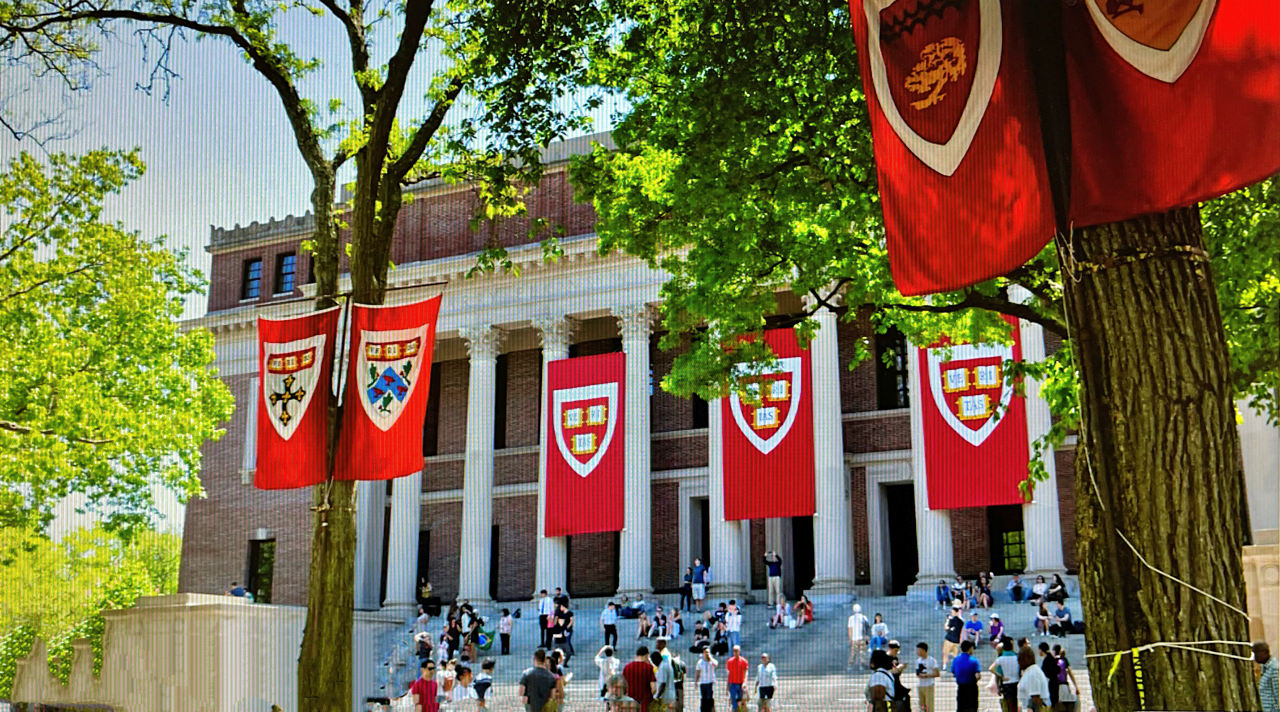
Harvard preps for graduation ceremonies.
Harvard MBA
(1958–1960)
Ralph enrolled at Harvard Business School in 1958 and graduated in 1960 with an MBA with High Distinction. He was named a Baker Scholar, the designation given to the top students in the graduating class.
Harvard PhD in Economics (1960–1964)
Ralph went on to Harvard's Graduate School of Arts and Sciences on a Ford Foundation Fellowship, earning his PhD in economics in 1964. His fields were money and banking, econometrics, and mathematical economics, and his doctoral thesis was based on large-scale data analysis of consumer demand, for which purpose he learned how to program Harvard’s first computer, the IBM 7090, which had an unprecedented 144 K of memory, housed in a two-story special-purpose building in Harvard Yard, staffed with over a dozen operators, keypunch staff, and schedulers.